
More and more people are vaping. It has been marketed as a “healthy” alternative to traditional smoking. Is that really the case? Has a “new” smoking industry lied to the public like big tobacco did?
Vaping has gained widespread popularity as an alternative to smoking traditional cigarettes. Often marketed as a safer option, vaping involves inhaling an aerosol produced by an electronic cigarette (e-cigarette) or other vaping devices. Despite its appeal, particularly to those seeking to quit smoking, vaping carries a number of health risks, including serious effects on the oral cavity. In this essay, we will explore what vaping is, what substances can be vaped, why vaping is bad for your health, and specifically how it affects the mouth, teeth, and gums.
What is Vaping?
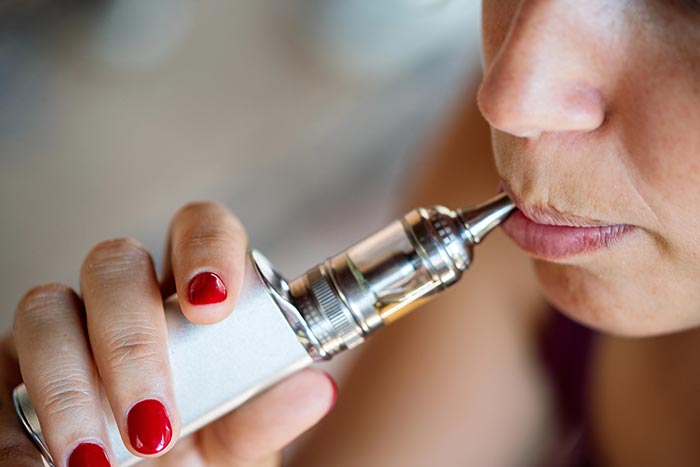
Vaping refers to the act of inhaling vapor produced by an e-cigarette or similar device. These devices use a battery-powered heating element to vaporize a liquid known as e-liquid or vape juice. The e-liquid typically contains a mix of nicotine, flavorings, and a base of propylene glycol (PG) or vegetable glycerin (VG). When the device is activated, the e-liquid is heated to create an aerosol (commonly called “vapor”), which the user inhales into the lungs. Unlike traditional smoking, which involves burning tobacco, vaping avoids combustion and the harmful byproducts associated with it, such as tar and carbon monoxide. However, this does not mean vaping is without its own risks.
What Can You Vape?
The substance vaped can vary widely depending on the type of e-liquid or device used. The most common substance is nicotine, which is found in the majority of e-liquids. Nicotine is highly addictive, and many people use vaping as a way to quit smoking traditional cigarettes or to satisfy their cravings for nicotine. E-liquids come in various nicotine strengths, ranging from nicotine-free options to those containing up to 50 mg/mL of nicotine or more.
Aside from nicotine, vaping devices can also be used for cannabis products. These include THC (tetrahydrocannabinol), the psychoactive compound in marijuana, and CBD (cannabidiol), a non-psychoactive compound believed to have therapeutic effects. Both THC and CBD oils are vaporized and inhaled in similar devices designed for this purpose.
Another key aspect of vaping is the flavorings that are added to the e-liquid to enhance the experience. These flavors range from fruity and sweet options, such as strawberry and watermelon, to more complex flavors like mint, chocolate, or coffee. The variety of flavors is one of the reasons vaping is appealing, especially among younger users. Finally, salt nicotine has emerged as a popular choice, offering a smoother vaping experience and quicker absorption of nicotine into the bloodstream.

Why is Vaping Bad for You?
While vaping may seem like a less harmful alternative to smoking, it still carries significant health risks. The primary concern is nicotine addiction, which is common among users, particularly young people. Nicotine is a highly addictive substance that can have long-lasting effects on brain development, especially in adolescents. Nicotine can impair cognitive function, attention, and memory, and it makes individuals more susceptible to addiction to other substances in the future.
Furthermore, vaping can lead to respiratory problems. Inhalation of e-cigarette vapor can irritate the airways, causing symptoms like coughing, wheezing, and shortness of breath. Prolonged use can lead to chronic lung conditions such as bronchitis or vaping-associated lung injury (VALI), a severe condition that can cause respiratory failure in extreme cases. The vapor also contains harmful chemicals, such as formaldehyde and acrolein, which are known to be toxic when inhaled and may contribute to lung damage or even cancer over time.
The effects of vaping extend beyond the lungs. Nicotine and other chemicals in e-liquids have been shown to increase heart rate and blood pressure, putting additional strain on the cardiovascular system. Over time, this could increase the risk of heart disease, stroke, and hypertension. In addition, some studies suggest that vaping can contribute to inflammation of the blood vessels, which may lead to long-term cardiovascular problems.
Effects of Vaping on the Oral Cavity
Vaping not only impacts the lungs and heart, but it also has significant consequences for oral health. One of the immediate effects of vaping is dry mouth. The chemicals in e-liquids, especially propylene glycol (PG), reduce the production of saliva, which is vital for maintaining oral health. Saliva helps neutralize acids, wash away food particles, and prevent bacterial growth in the mouth. A reduction in saliva can lead to a variety of oral health problems, including an increased risk of tooth decay and gum disease.
The nicotine in e-liquids also contributes to gum recession and delayed healing. Nicotine constricts blood vessels in the gums, reducing blood flow and impairing the body’s ability to repair damage. Over time, this can lead to more severe oral health problems, including gum disease and, in extreme cases, tooth loss. The combination of dry mouth and gum problems creates an environment conducive to bacterial growth, which can further exacerbate oral health issues.
In addition to gum problems, vaping can also lead to tooth discoloration. The chemical compounds in e-liquids can leave a residue on the teeth, leading to staining over time. This can affect the aesthetic appearance of the teeth, especially if users are consuming flavored e-liquids that contain pigments or sugars. Regular vaping can therefore contribute to poor oral hygiene and a higher likelihood of requiring dental interventions.
Moreover, the sweet and fruity flavors found in many e-liquids may further contribute to plaque buildup, which increases the risk of both cavities and gum disease. Some flavoring chemicals, when heated and inhaled, have also been associated with lung damage, which suggests that they may have similar negative effects on oral tissues, exacerbating existing problems in the mouth.
Final Thoughts
Vaping is not as harmless as it is often portrayed. While it may offer a safer alternative to smoking traditional cigarettes, it still poses a range of health risks, including nicotine addiction, respiratory problems, cardiovascular issues, and long-term damage to the oral cavity. The chemicals found in e-liquids can lead to dry mouth, gum disease, tooth decay, and staining, all of which can negatively impact oral health. As the popularity of vaping continues to rise, especially among younger populations, it is crucial to be aware of the potential dangers of this seemingly “harmless” habit. The health risks associated with vaping are significant and should not be underestimated, particularly when it comes to the long-term effects on the mouth, teeth, and gums.